
The “lost crypto” panic pattern
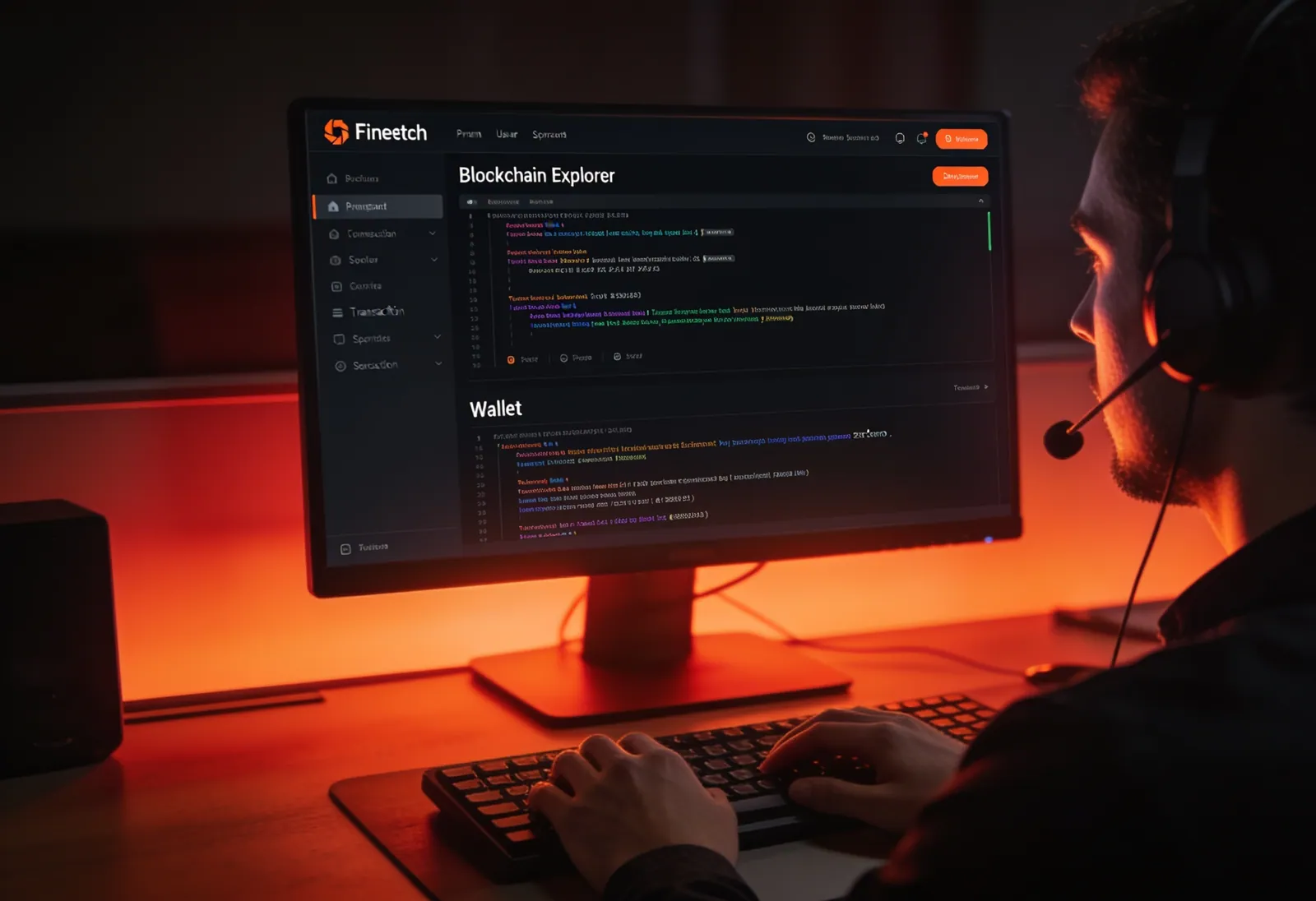
Wallet tickets have the highest panic-to-resolution ratio in crypto support. Users don’t think rationally when money seems to vanish — they assume the worst, broadcast publicly before resolution, and abandon platforms permanently after one bad experience. The actual cause is usually mundane: a transaction still pending in the mempool, the wrong network selected, a wallet UI that hasn’t refreshed, gas fees set too low, or a failed contract interaction. The user’s perception, though, is “this platform stole my money.”
Why generic support fails
Generic agents handle password resets fine, but wallets are different. “I don’t see the transaction… let me escalate this… someone will get back to you in 24 hours” translates, to the user, as “we lost your money.” Panic intensifies, public complaints start, and reputation damage begins. Most agents simply don’t know how to read a blockchain explorer, interpret transaction statuses, understand mempool congestion, or verify network compatibility — so all they can do is escalate.
What actually fixes it
The solution isn’t faster escalation — it’s agents who troubleshoot wallets in real time. Explorer verification: “I see your transaction on Etherscan, confirmed with 45 confirmations — your funds are safe; your wallet UI just hasn’t refreshed.” Mempool education: “You set 20 gwei, but congestion needs 35+; it’ll process, or you can replace it with higher gas.” Wrong-network troubleshooting: “Your USDT is safe — it’s on a different network; here’s how to access it.” Panic eliminated in 60 seconds.
Building wallet support that resolves
It comes down to crypto-literacy training (blockchain fundamentals, explorers, transaction statuses, gas and mempool, network compatibility), transaction-ID verification protocols that check the explorer during the conversation rather than escalating, clear network-congestion communication, and confidence-building through explanation. Educated users don’t panic — they trust you.
The cost of poor troubleshooting
Across 1,000 wallet tickets a month, the difference between a generic escalation model (4–6 hour resolution, high panic, 20% churn) and real-time crypto-literate support (5–15 minute resolution, panic eliminated, 5% churn) is enormous. At a $300 average lifetime value, dropping churn from 20% to 5% protects over $500,000 in annual revenue — turning your most expensive ticket type into a routine, resolved conversation.
We’ve got your back. Crypto-native.